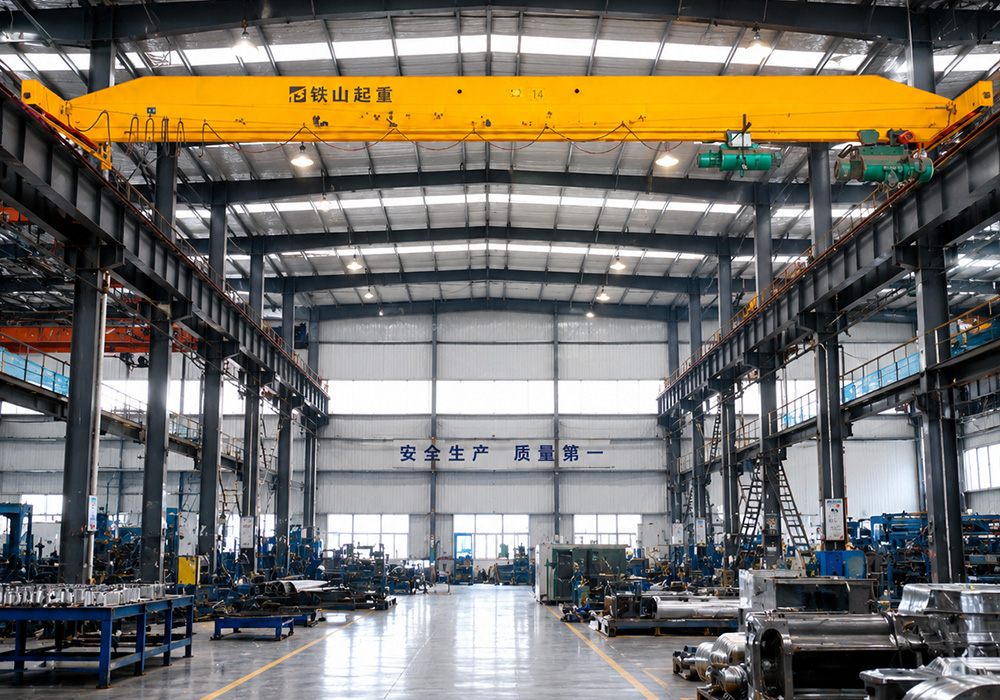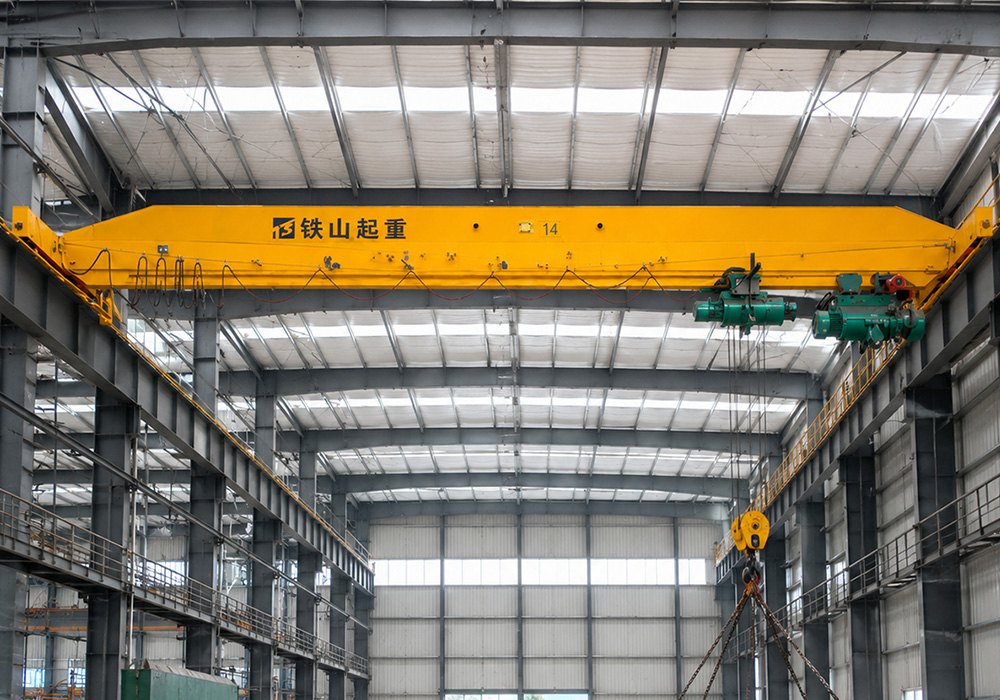
Many enterprises make common mistakes when selecting double-girder bridge cranes: focusing solely on tonnage while overlooking duty classification and span. This leads to equipment that fails to match production rhythms, suffers frequent breakdowns, and consumes excessive energy. In severe cases, issues such as structural load-bearing mismatches or installation failures arise, resulting in significant financial waste. As specialized heavy-duty industrial equipment, the selection of a double-girder bridge crane requires a comprehensive assessment of operational intensity, facility specifications, workflow requirements, and safety standards. Drawing on years of industry experience, Henan Tieshan Crane Equipment Group has compiled a comprehensive selection guide to help buyers accurately match equipment to their needs and avoid common pitfalls.
First, matching the duty classification to the operational conditions is the critical factor in selection. Many users overlook duty classification, directly leading to a shortened equipment lifespan and frequent malfunctions. Standard classifications include: A3–A4 (light-duty), suitable for occasional workshop maintenance, low-frequency lifting, and small-scale warehousing; A5 (medium-duty), suitable for routine production operations in general machinery plants and processing workshops; and A6–A7 (heavy-duty), suitable for heavy manufacturing, metallurgy, high-frequency continuous assembly line operations, and 24-hour non-stop workflows. Users should select the appropriate class based on daily operating hours and lifting frequency; choosing high-duty equipment for low-frequency tasks wastes money, while choosing low-duty equipment for high-frequency tasks accelerates wear and damage.
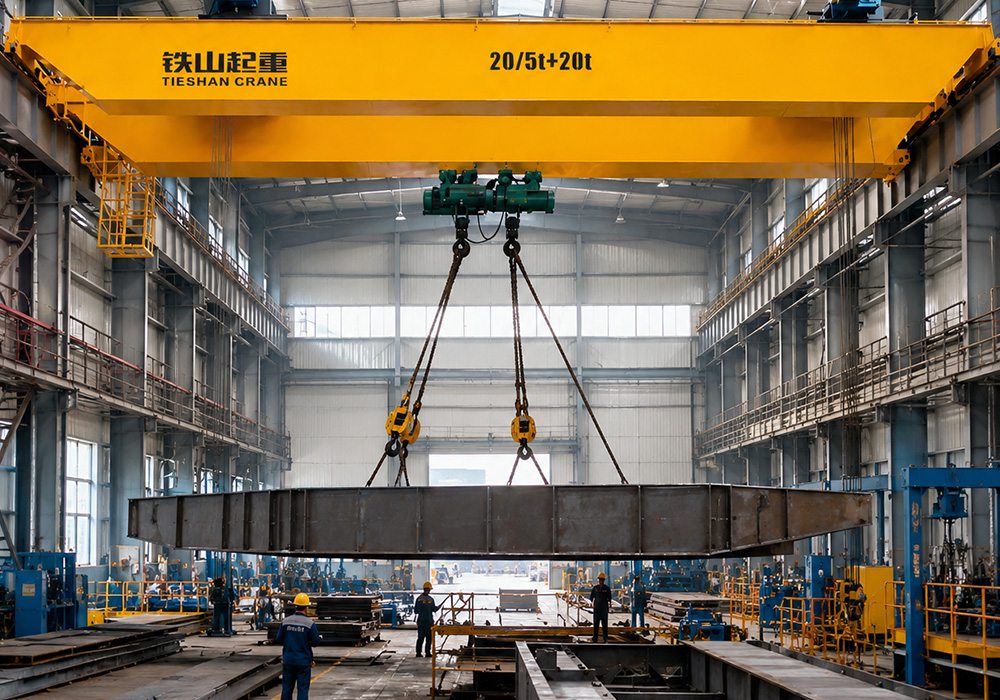
Second, accurately match parameters for tonnage, span, and lifting height. Tonnage selection should include a safety margin; a redundancy factor of at least 1.25 is recommended for standard industrial conditions, while 1.5 is advised for special conditions involving heavy loads, high temperatures, or dust. Long-term overloading is strictly prohibited. Standard spans range from 10.5m to 40m, with custom options available based on the facility’s rail spacing. Lifting heights can also be customized according to ceiling height and specific lifting needs, fully accommodating requirements for high-level lifting and stacking of large equipment. Additionally, it is essential to verify the factory’s crane beam load-bearing capacity, rail specifications, and overhead clearance in advance to prevent issues such as installation failure or insufficient load capacity upon the equipment’s arrival.
Third, distinguish between equipment models and configuration requirements. Double-girder bridge cranes on the market generally fall into two categories: traditional QD models and European-style lightweight models. Traditional models offer high load capacity and cost-effectiveness, making them suitable for general heavy-duty industrial applications. European-style models feature lighter deadweight, lower energy consumption, and quiet operation, making them ideal for high-standard clean workshops and precision equipment lifting scenarios. Users can make flexible choices based on their budget, operational precision requirements, and factory conditions. Furthermore, value-added features—such as remote control, variable frequency speed regulation, intelligent limit switches, remote monitoring, and anti-sway systems—can be selected to enhance operational efficiency and safety.
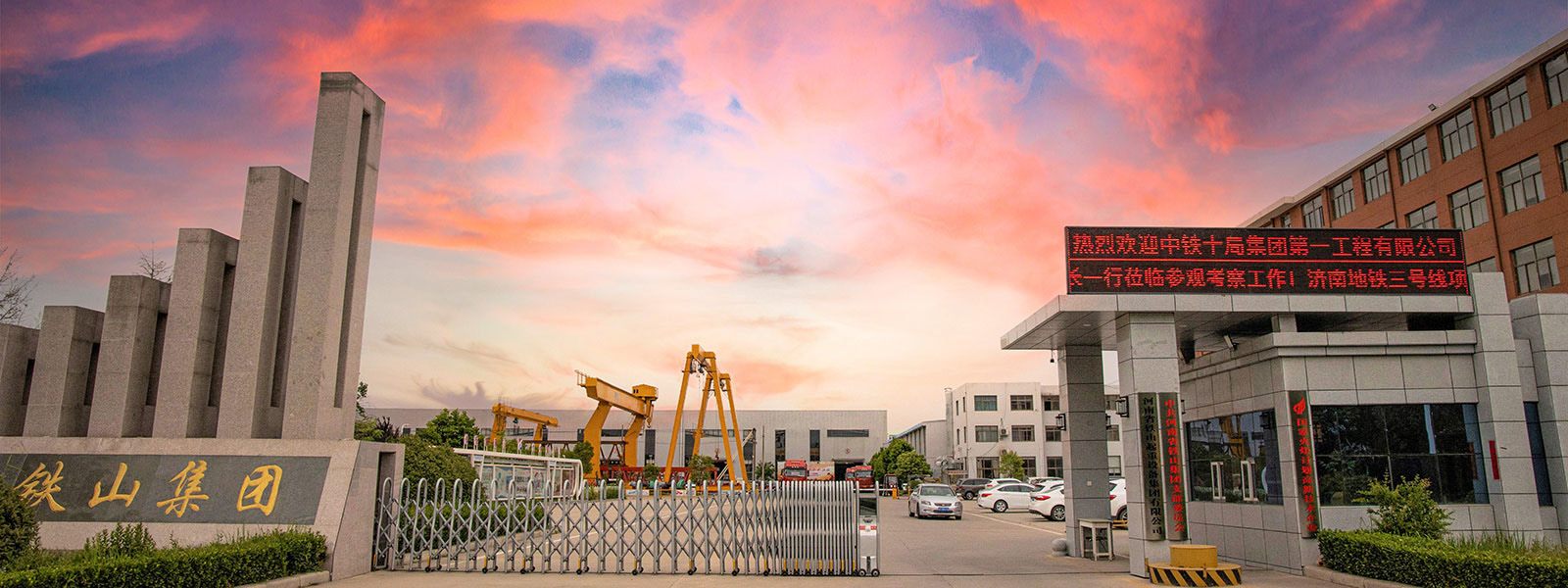
Fourth, key points for avoiding pitfalls during procurement and selection. Prioritize equipment from original manufacturers and avoid low-priced products that cut corners or feature inflated specifications; focus on verifying the steel thickness of the main girder, welding quality, brands of electrical control components, and safety protection features. Select manufacturers that offer non-standard customization, on-site surveys, and collaborative solution planning to ensure a precise match with factory conditions. Finally, prioritize after-sales support; as lifting equipment is classified as “special equipment,” ongoing annual inspections, maintenance, and spare parts replacement are crucial.
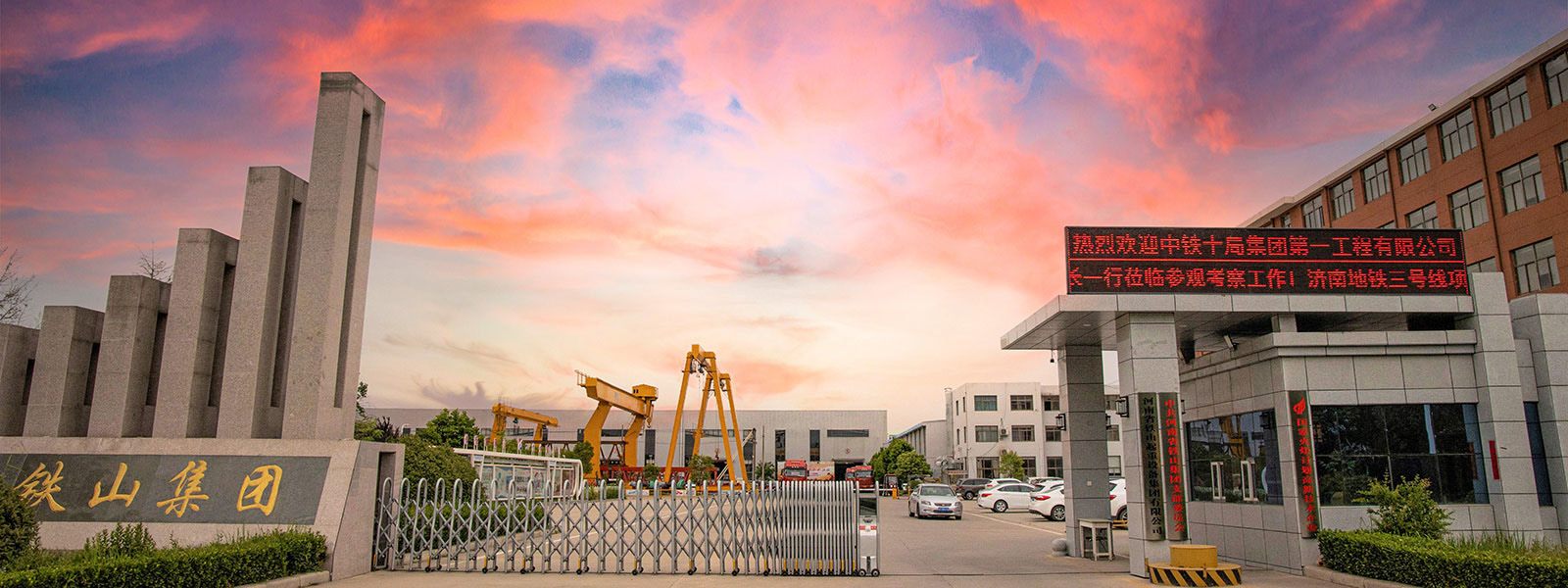
As a professional manufacturer specializing in the R&D and production of lifting equipment, Henan Tieshan Lifting Equipment Group offers customized selection solutions for double-girder bridge cranes tailored to each client’s specific factory dimensions, lifting tonnage, operational frequency, and working environment. We provide comprehensive, one-stop services covering everything from site surveys, design, and production to installation and after-sales support. Leveraging mature manufacturing processes, an extensive product range, and robust after-sales guarantees, we help enterprises select and utilize the right lifting equipment, mitigate selection risks, reduce operation and maintenance costs, and achieve efficient, safe production.