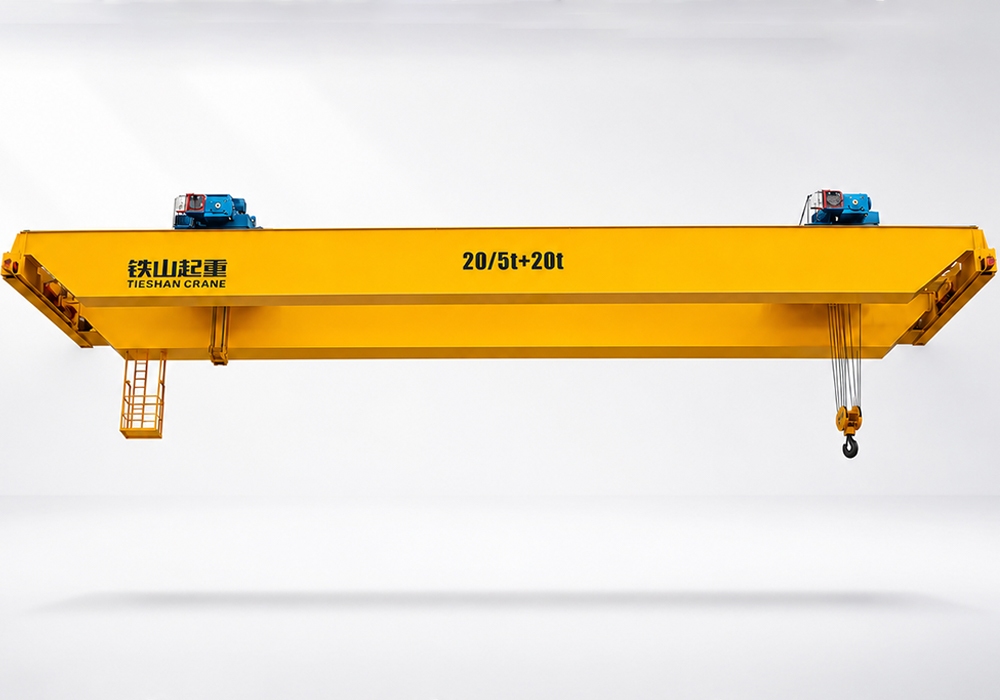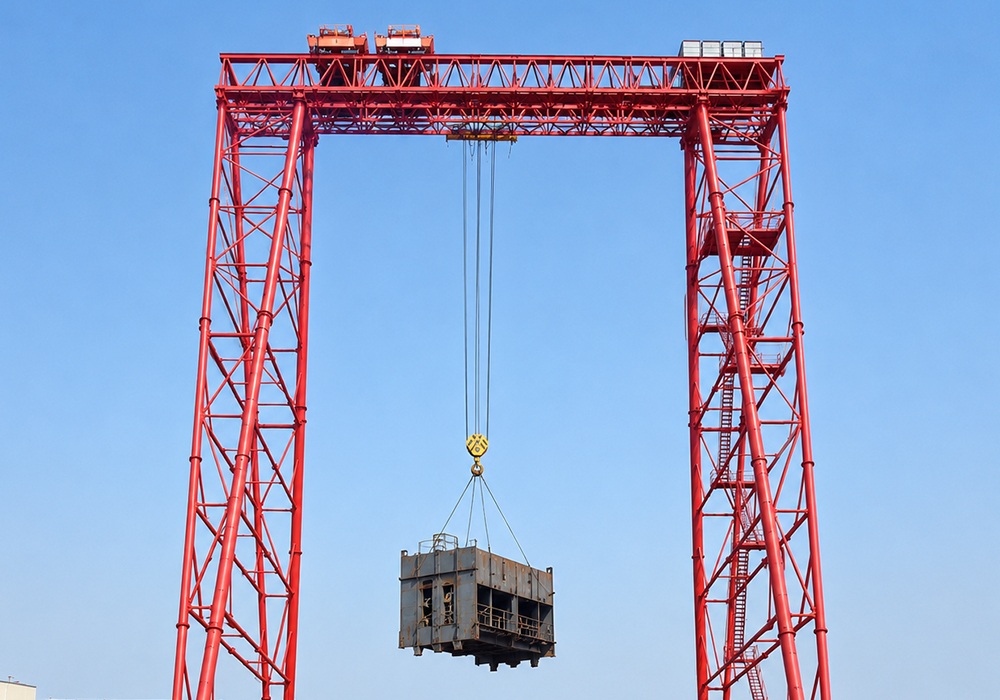
When selecting overhead cranes for new factory facilities or technical upgrades, procurement managers often face a dilemma: Is a single-girder overhead crane the right choice for their workshop? How should one determine the appropriate tonnage, span, building height, and duty classification? Choosing the wrong model can lead to either over-specification—resulting in wasted budget—or, conversely, chronic overloading, which causes frequent breakdowns and poses serious safety risks. As the most widely used type of general-purpose lifting equipment in industrial facilities, the single-girder overhead crane is favored for its simple structure, lightweight design, cost-effectiveness, and ease of installation and maintenance. It has become the preferred choice for machine shops, warehouses, assembly areas, and small-scale manufacturing plants. Below, we break down the selection logic based on specific operational requirements to help you make precise procurement decisions.
First, it is essential to understand the core structural characteristics of a single-girder overhead crane: it features a single main girder, with an electric hoist suspended underneath. Because the unit itself is lightweight, it exerts less load on the facility’s supporting structure, eliminating the need for extensive structural reinforcement. This makes it well-suited for most standard steel-structure or brick-concrete industrial buildings. Typically, these cranes are designed for capacities ranging from 1 to 20 tons and spans between 7.5 and 22.5 meters. They are ideal for intermittent or moderate-frequency lifting tasks—such as the routine transport of parts, loading and unloading of raw materials, equipment maintenance, or handling finished goods—rather than for continuous, heavy-duty operations running 24 hours a day.
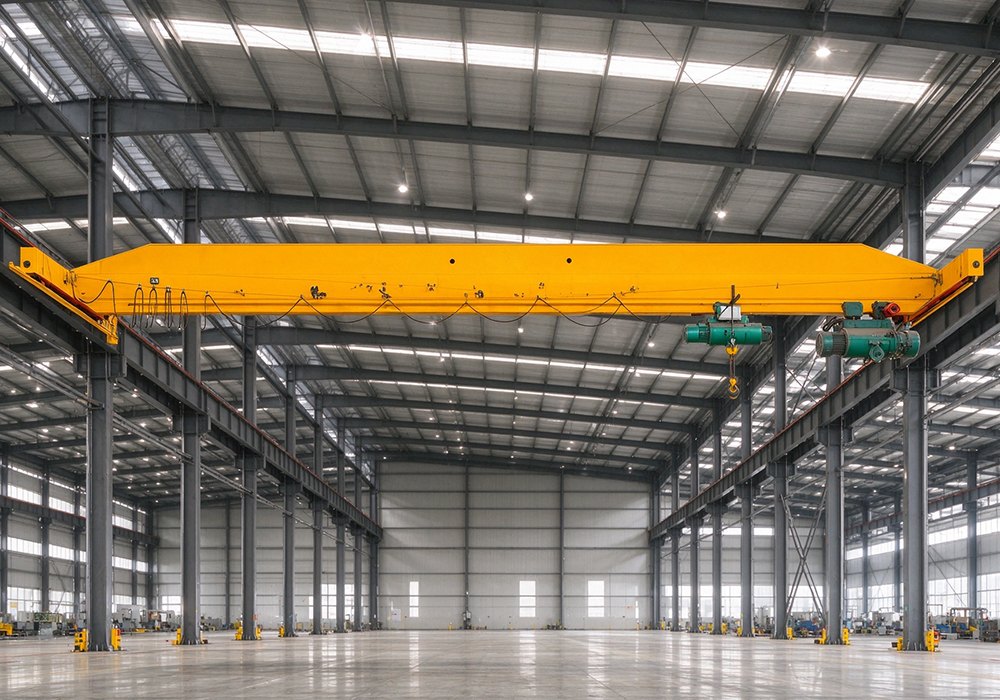
In which scenarios should a single-girder overhead crane be the preferred choice?
- Small to medium-sized machining and hardware assembly workshops: Used for transporting workpieces, molds, and semi-finished products. These applications typically involve moderate individual load weights and a medium frequency of daily lifting operations.
- Raw material and finished goods warehouses: Used for stacking and moving steel materials, structural profiles, and packing crates. This serves as an alternative to forklifts, preventing floor-level aisles from becoming obstructed.
- Equipment maintenance and auxiliary lifting stations: Used intermittently for the disassembly, repair, or installation of factory equipment.
- Workshops with limited overhead clearance: By utilizing a hoist-underslung configuration, it is possible to maximize the effective lifting height within a facility that has restricted vertical space.
Below are several common misconceptions that buyers often fall into—issues we frequently encounter while serving our diverse client base:
Misconception 1: Focusing solely on maximum tonnage while ignoring the duty classification (working class). For example, a 10-ton single-girder crane with an A3 duty classification is suitable for a few dozen lifts per day. If a workshop requires continuous, high-frequency operation or frequent full-load lifting, an A3-rated crane will quickly suffer from main girder deflection and accelerated wear of transmission components. In such cases, even if the tonnage is relatively low, upgrading to a double-girder crane is highly recommended.
Misconception 2: Placing an order without verifying the facility’s load-bearing capacity. Although single-girder cranes are lightweight, older buildings or structures made of brick and concrete may have limited roof-beam load-bearing capacity. Always provide facility blueprints to the manufacturer’s technical team for a structural review before placing an order to avoid future safety risks.
Misconception 3: Arbitrarily selecting a span without accounting for maintenance clearance. Adequate safety gaps must be maintained at both ends of the main girder, and the positioning of crane rails and conductor bars (busbars) must be planned in advance. Many clients only realize later that the crane’s footprint interferes with walkways or fire escape routes.
Misconception 4: Overlooking environmental suitability. In workshops characterized by high humidity, corrosive gases, or heavy dust, standard paint finishes are prone to rust. Such environments require customized solutions, including anti-corrosion treatments, dust-proof electrical control systems, and higher ingress protection (IP) ratings.
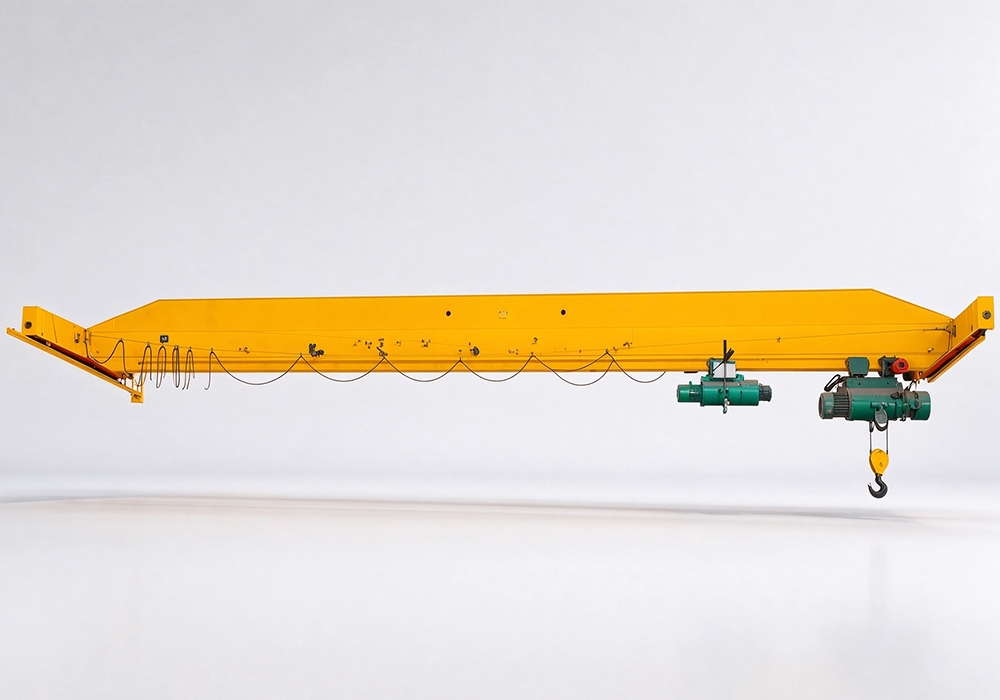
Selection Criteria Checklist (to be verified item-by-item before procurement): Rated lifting capacity, span, lifting height, travel distance, duty classification, power supply method (conductor rail/busbar or cable), control method (pendant/remote control or operator’s cabin), ambient temperature, and requirements for explosion-proof or anti-corrosion specifications.
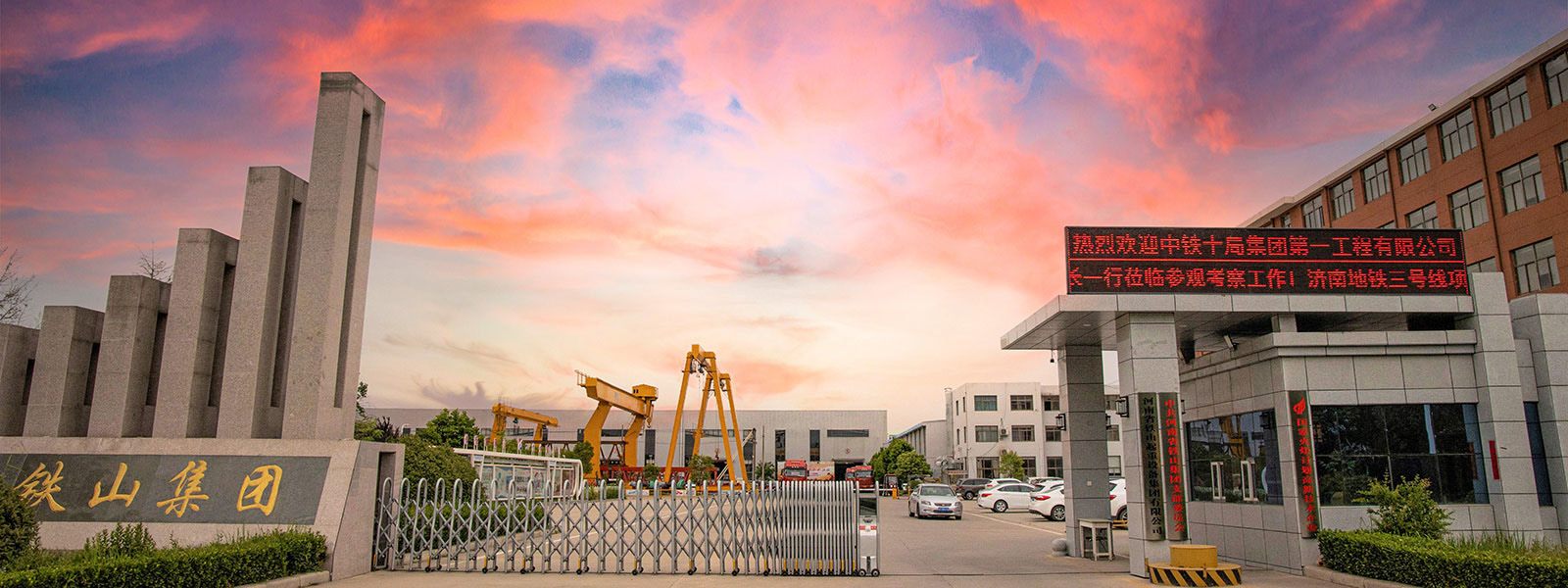
Established in 1992, Henan Tieshan Lifting Equipment Group possesses nearly 30 years of experience in the R&D and manufacturing of lifting machinery. Our “Tieqi” brand single-girder bridge cranes are produced entirely in-house—from the cutting of main girders, riveting, welding, and heat treatment to final assembly and load testing. Each unit is equipped with our proprietary electric hoist and a comprehensive suite of safety features (including overload limiters, travel limit switches, buffers, and emergency stop mechanisms). We offer complimentary technical proposals and structural load-bearing calculations for crane runways based on your facility blueprints. We support rapid production scheduling for standard models, while also providing customized solutions for non-standard facilities or specialized operating conditions. Whether you are outfitting a new factory or upgrading/replacing cranes in an existing workshop, the technical team at Tieshan Lifting is here to help you avoid selection errors, ensuring an optimal balance between safety, budget, and operational efficiency.